

How Does Creativity Benefit Assisted Living Residents?
Engaging in creative activities can support emotional well-being, cognitive health, and a sense of purpose for assisted living residents. This becomes especially valuable in Titusville, PA, where the seasons create both opportunities and challenges for maintaining an active lifestyle.
Creative pursuits help nurture:
- Memory and mental sharpness by stimulating new connections in the brain
- Emotional resilience by providing an outlet for feelings and memories
- Social interaction and reduced feelings of isolation
- Physical dexterity, especially through art, crafts, or music
Residents who participate in creative activities often report higher satisfaction with daily life and more enjoyable social connections within their community.
What Creative Activities Are Practical in Assisted Living Settings?
Residents often wonder which creative outlets are most accessible given mobility, space, and resource considerations. Fortunately, many activities are adaptable to the typical environment and resources of local assisted living communities.
Popular options include:
- Painting, sketching, or adult coloring
- Knitting, crocheting, and simple fiber arts
- Collage and scrapbooking
- Poetry, storytelling, or journaling
- Group singing or drumming circles
- Simple gardening in window boxes or portable planters
- Puzzles and creative games that invite problem-solving
The changing climate in Titusville adds variety: winter months invite indoor crafts, while warmer weather allows for outdoor sketching or gardening.
How Can Residents Stay Motivated to Try Creative Pursuits?
It’s common for seniors to feel hesitant if they have not engaged in the arts for years or worry about “not being creative.” The most effective encouragement is to focus on process and enjoyment rather than results.
Practical ways to get started:
- Join group workshops, which are often structured to accommodate all skill levels
- Pair up with a neighbor or friend for accountability and shared interest
- Set small, achievable creative goals—such as a daily sketch or finishing a simple craft project
- Participate in seasonal or themed activities, such as autumn leaf collages or winter poetry readings
In the community, residents frequently discover that creativity is about expression and connection—perfection is never the goal.
What Barriers Limit Creative Expression, and How Can They Be Addressed?
Physical limitations, cognitive changes, and lack of confidence are common barriers to creative participation. Each can be addressed thoughtfully:
- Use adaptive materials (larger knitting needles, lightweight instruments, ergonomic pens)
- Break projects into shorter sessions to accommodate endurance and attention span
- Choose group activities where participation is valued over skill
- Invite reminiscence into creative projects, such as scrapbooking old photographs or writing down memories
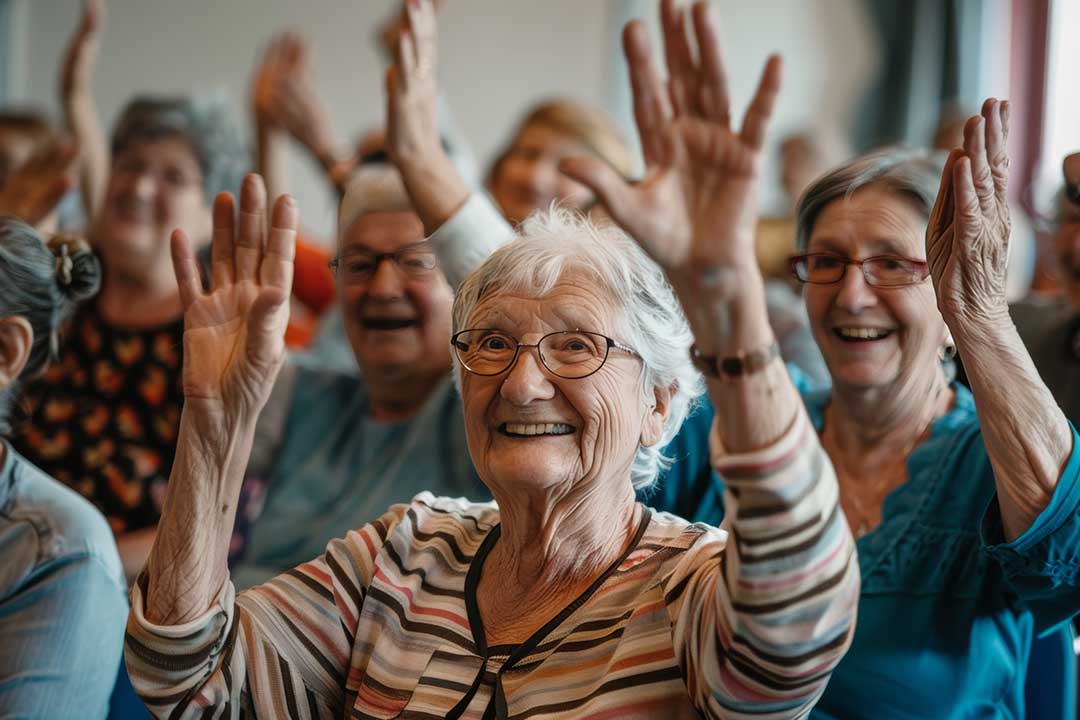
For those with arthritis or challenges with fine motor skills, activities involving large movements—like painting with big brushes—may be easier. Sensory preferences and accessibility are considered by most local care teams, but residents should always share their interests and any concerns.
How Can Family and Friends Support Creativity for Loved Ones?
Family and friends play a vital role in fostering a creative atmosphere, both during visits and through remote encouragement. Bringing in supplies, sharing stories, or even collaborating on a simple project can make creative activities more meaningful.
Suggestions for family engagement:
- Mail or drop off supplies tailored to a loved one’s favorite hobbies (watercolors, knitting kits, stickers)
- Arrange for shared activities during visits, such as painting or reading poetry together
- Display their art or writing in shared spaces as a show of support
- Encourage participation in communal events and ask about new interests
Local caregivers observe that family involvement often deepens the sense of connection and pride in creative accomplishments.
Are Seasonal Factors in Titusville a Consideration for Creative Activities?
Weather and climate in the city often shape the kind of creative activities that feel accessible or enjoyable:
- Cold winters make indoor crafts, music, and storytelling especially appealing
- Warmer weather encourages residents to take art supplies outdoors or plant seasonal flowers in patio containers or window boxes
Transitioning activities to suit the season ensures fresh inspiration and keeps routines vibrant. Even on rainy spring days, projects that incorporate natural items—like pressed flowers or painted stones—bring a bit of the outdoors inside.
What Misconceptions Do People Have About Creativity and Assisted Living?
A frequent misconception is that creativity is tied to natural talent or previous artistic experience. In reality, every person can benefit from creative self-expression regardless of skill level. Another mistaken belief is that creative activities are a distraction rather than a meaningful part of well-being.
Key points to remember:
- Creativity is an activity, not an achievement—enjoyment and participation are what matter
- Supportive communities adapt creative opportunities for every ability and interest
- There is no age limit for discovering new creative outlets or revisiting childhood favorites
Residents and their loved ones often find that regular participation in creative projects leads to lasting friendships and greater satisfaction with daily routines.
